When a severe storm leaves your roof battered, the quickest path to a watertight home is a systematic storm damage roof repair that starts with a thorough safety check and ends with a professionally sealed surface. Homeowners who act fast avoid secondary water intrusion, mold growth, and costly structural repairs, a reality underscored by the 2026 National Weather Service report showing an 18% rise in storm‑related roof failures across the United States.
Immediate Steps After a Storm Hits
Before you call any contractor, secure the premises:
- Safety first: Wear sturdy boots, gloves, and a hard hat. Stay clear of loose shingles, downed power lines, or weakened trusses.
- Temporary protection: Use a tarp or a commercial-grade roof cover to shield exposed decking from rain. Secure the tarp with weighted sandbags to prevent wind uplift.
- Document the damage: Take high‑resolution photos from multiple angles. This visual record is vital for the insurance claim process and for comparing repair estimates.
Comprehensive Roof Inspection – What to Look For
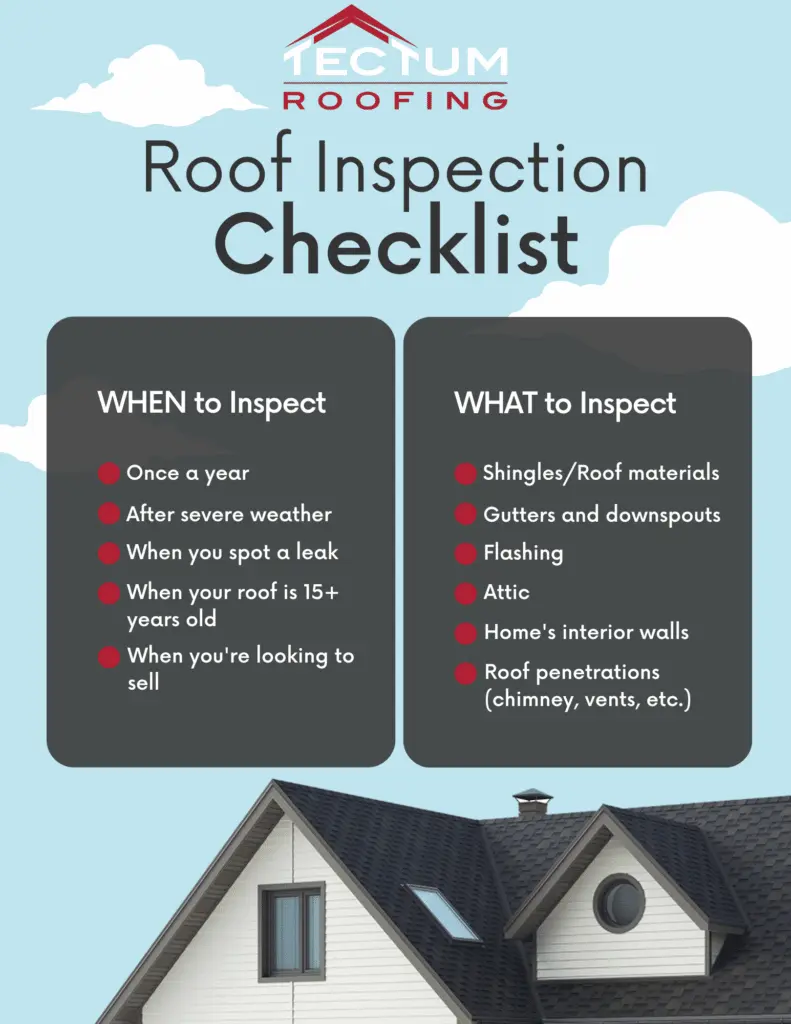
A detailed roof inspection distinguishes superficial hail dents from structural compromise. According to the American Society of Home Inspectors (ASHI) 2026 guidelines, a qualified inspector should assess:
Table of Contents
- Immediate Steps After a Storm Hits
- Comprehensive Roof Inspection – What to Look For
- Understanding the Insurance Claim Process
- Choosing the Right Contractor – Beyond the Lowest Bid
- Repair Methods Tailored to Storm Damage
- 1. Shingle Replacement vs. Full Roof Overlay
- 2. Reinforcing Flashing and Roof Penetrations
- 3. Upgrading Underlayment for Future Resilience
- 4. Ventilation and Moisture Management
- Cost Outlook for Storm Damage Roof Repair in 2026
- Preventative Measures to Reduce Future Storm Damage
- Common Mistakes Homeowners Make After Storm Damage
- FAQ – Storm Damage Roof Repair
- What is the typical timeline for a full roof repair after a storm?
- Can I file a claim for roof repairs if the storm was partially responsible?
- Is it safe to stay in the house while repairs are underway?
- Do impact‑resistant shingles cost significantly more?
- How often should I schedule a post‑storm roof inspection?
- Integrating Siding Considerations with Roof Repair
- Conclusion – Turning Storm Damage into an Opportunity for Upgrade
- Missing, cracked, or lifted shingles
- Damaged flashing around chimneys, vents, and skylights
- Water stains on attic insulation indicating hidden leaks
- Compromised roof deck integrity, especially in older homes with wooden sheathing
Many homeowners underestimate the importance of a professional roof inspection, opting instead for a DIY visual scan. While a quick walk‑around can catch obvious issues, a certified inspection uncovers hidden vulnerabilities that could become costly down the line.
Understanding the Insurance Claim Process
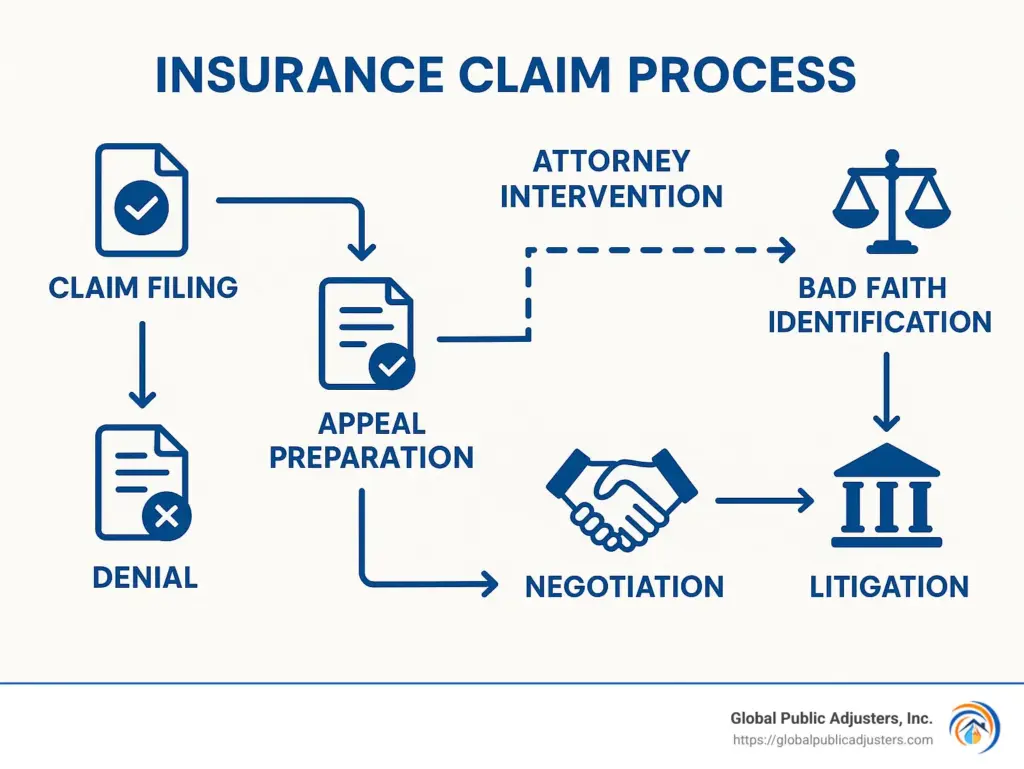
Most standard homeowner policies cover “storm damage” but exclude wear‑and‑tear. To streamline your claim:
- Contact your insurer within 24 hours of the storm and provide the photographic evidence.
- Request a claims adjuster to perform an on‑site evaluation. If the adjuster’s estimate seems low, consider hiring an independent public adjuster for a second opinion.
- Keep receipts for all emergency measures (tarping, board‑up, temporary repairs) as they are often reimbursable.
Data from the Insurance Information Institute (2025) shows that homeowners who submit a comprehensive damage dossier receive, on average, 12% higher settlement payouts.
Choosing the Right Contractor – Beyond the Lowest Bid
Finding a qualified professional is as critical as the repair itself. The article Top 7 Strategies to Find the Best Roofing and Siding Contractors Near Me in 2026 outlines a proven vetting framework:
- Verify licensing, insurance, and bonding specific to your state.
- Check the contractor’s track record for storm restoration projects; ask for before‑and‑after portfolios.
- Request a detailed, written estimate that breaks down labor, materials, and warranty terms.
- Confirm that the contractor uses wind‑rated underlayment and impact‑resistant shingles—features now mandated by the 2026 International Building Code (IBC) for high‑wind zones.
When evaluating bids, pay attention to the inclusion of “storm‑damage roof repair” services as a distinct line item. This signals the contractor’s familiarity with the unique challenges posed by high‑velocity wind uplift and hail impact.
Repair Methods Tailored to Storm Damage
1. Shingle Replacement vs. Full Roof Overlay
If less than 20% of the roof surface is compromised, targeted shingle replacement is both cost‑effective and environmentally friendly. However, widespread hail bruising often necessitates a full roof overlay, especially when the underlying deck has absorbed moisture.
2. Reinforcing Flashing and Roof Penetrations
Storm‑damaged flashing is a common source of leaks. Replace corroded aluminum flashing with lead‑free, polymer‑coated alternatives that comply with the 2026 ASTM C836 standard. Ensure all roof penetrations are resealed with a high‑performance, UV‑stable sealant.
3. Upgrading Underlayment for Future Resilience
Traditional felt underlayment may not survive another severe storm. Consider installing a synthetic, self‑adhesive underlayment with a minimum Class A fire rating and a water‑resistance rating of at least 150 psi, as recommended by the Roofing Contractors Association (RCA) 2026.
4. Ventilation and Moisture Management
Improper attic ventilation can trap moisture after a storm, leading to mold. Install ridge vents and soffit vents that meet the 2026 ENERGY STAR guidelines, ensuring a continuous airflow that dries the roof deck and insulation.
Cost Outlook for Storm Damage Roof Repair in 2026
The Roof Replacement Cost 2026: Detailed Breakdown, Savings Strategies & Expert Tips report provides a benchmark:
- Average national cost for a standard asphalt shingle roof repair: $5,200–$7,800
- Full roof replacement in high‑wind zones with impact‑resistant materials: $12,500–$18,300
- Emergency tarping and temporary board‑up: $350–$900
These figures reflect a modest 4% inflation from 2025, driven by increased demand for resilient roofing systems and rising material costs for polymer‑based underlayments.
Preventative Measures to Reduce Future Storm Damage
Investing in preventive upgrades can lower your risk profile and may qualify you for insurance premium discounts. Key strategies include:
- Impact‑Resistant Shingles: Certified by the National Roofing Contractors Association (NRCA) for resistance to 2‑inch hail.
- Reinforced Roof Deck: Adding a layer of 5/8‑inch plywood or oriented strand board (OSB) under the sheathing increases structural rigidity.
- Wind‑Resistant Brackets: Installing hurricane straps on rafters and trusses meets the 2026 ICC-ES AC71 wind uplift standards.
- Smart Roof Monitoring: IoT sensors that detect moisture intrusion in real‑time can trigger immediate alerts, a feature highlighted in the Smart Gadgets That Make Daily Living Feel Smarter – Save Money & Boost Efficiency in 2026 guide.
Common Mistakes Homeowners Make After Storm Damage
- Delaying Inspection: Waiting more than 48 hours allows water to seep into the deck, leading to rot.
- Skipping Professional Underlayment Installation: DIY repairs often overlook the critical role of a high‑quality underlayment.
- Accepting the First Estimate: Without comparing at least three quotes, you risk overpaying or missing hidden costs.
- Neglecting Insurance Documentation: Incomplete records can result in denied claims.
- Using Incompatible Materials: Mixing old wood decking with modern synthetic membranes can cause adhesion failure.
FAQ – Storm Damage Roof Repair
What is the typical timeline for a full roof repair after a storm?
Most contractors can complete a standard shingle replacement within 5–7 business days, provided material backorder issues are minimal. Full replacements, especially in high‑wind zones, may take 10–14 days, including necessary permits.
Can I file a claim for roof repairs if the storm was partially responsible?
Yes. Insurance policies usually cover partial damage if the storm is a contributing factor. Document all pre‑existing issues to differentiate them from storm‑induced damage.
Is it safe to stay in the house while repairs are underway?
Generally, yes, as long as the work area is cordoned off and the contractor follows OSHA safety standards. However, if there is structural instability, evacuate until a structural engineer signs off.
Do impact‑resistant shingles cost significantly more?
Impact‑resistant shingles typically cost 15–25% more than standard asphalt shingles, but the added durability can reduce long‑term replacement costs by up to 40% according to the NRCA 2026 performance study.
How often should I schedule a post‑storm roof inspection?
Ideally, schedule an inspection within 48 hours of any severe weather event, and then a follow‑up after the repair work is completed to verify the integrity of the work.
Integrating Siding Considerations with Roof Repair
Storm damage rarely confines itself to the roof alone; siding often bears the brunt of wind‑driven debris. When coordinating roof repair, evaluate the condition of your exterior cladding. Replace any compromised vinyl or fiber‑cement panels, and ensure the transition flashings between roof and siding are sealed. This holistic approach not only enhances curb appeal but also prevents water infiltration at the roof‑siding interface, a common source of hidden leaks.
Conclusion – Turning Storm Damage into an Opportunity for Upgrade
Effective storm damage roof repair is a blend of immediate action, meticulous assessment, strategic insurance navigation, and choosing a qualified contractor who can deliver resilient solutions. By embracing modern materials, adhering to the latest building codes, and integrating smart monitoring technologies, homeowners can not only restore their roofs but also fortify them against future extreme weather. Remember, the best defense against the next storm begins with a well‑executed repair today.
For a deeper dive into material costs and long‑term durability, see our Metal Roofing and Siding 2026: Complete Cost, Durability & Installation Guide, which outlines how premium options can align with your budget and performance goals.