When homeowners search for “residential roofing services,” they expect a clear roadmap to protect their biggest investment— the house— with reliable, cost‑effective solutions. The most efficient way to achieve a durable roof is to start with a thorough roof inspection, followed by a tailored maintenance plan that addresses current wear and anticipates future weather challenges. By partnering with certified contractors who specialize in energy‑efficient roofing, you can lower utility bills while extending the lifespan of your home’s exterior envelope. For a deeper dive into how energy savings intersect with roofing, see our Energy‑Efficient Roofing and Siding guide.
Understanding the Core Components of Residential Roofing Services
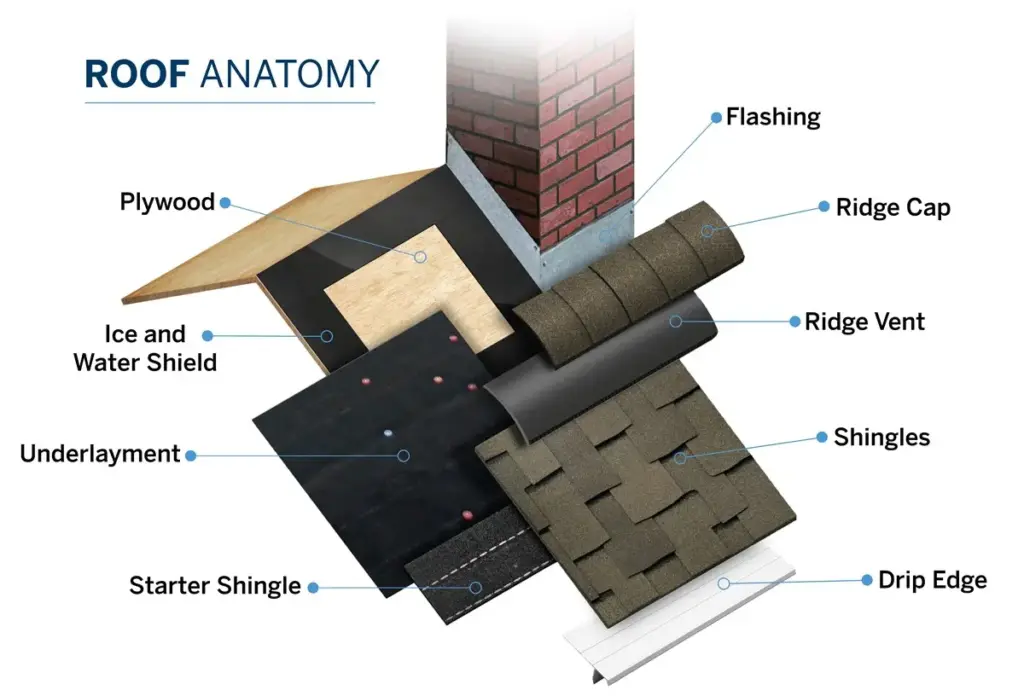
Residential roofing is more than just installing shingles; it involves a suite of interconnected services designed to ensure structural integrity, weather resistance, and aesthetic appeal. The primary components include:
- Roof Inspection & Assessment: A detailed evaluation of existing materials, flashings, ventilation, and underlying deck conditions.
- Repair & Restoration: Addressing leaks, damaged shingles, and compromised flashing before they lead to extensive water intrusion.
- Replacement & Installation: Selecting appropriate roofing materials— from asphalt and metal to premium synthetic options— and installing them according to manufacturer specifications.
- Maintenance Programs: Scheduled cleanings, gutter checks, and minor repairs that prevent costly emergencies.
- Energy‑Efficiency Upgrades: Adding reflective coatings, proper insulation, and ventilation to reduce heating and cooling loads.
Why a Professional Roof Inspection Is the First Critical Step
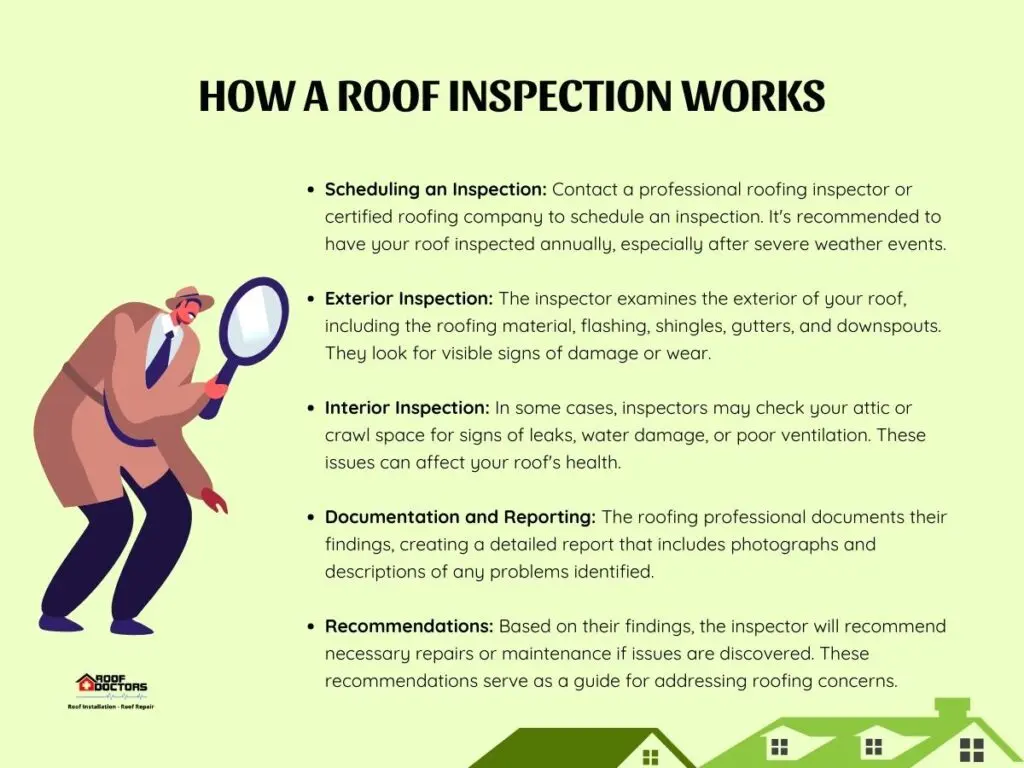
According to the National Roofing Contractors Association (NRCA), 68% of roof failures could have been avoided with timely inspections. A professional inspection provides a baseline for:
Table of Contents
- Understanding the Core Components of Residential Roofing Services
- Why a Professional Roof Inspection Is the First Critical Step
- Key Indicators That Prompt a Roof Inspection
- Choosing the Right Residential Roofing Contractor
- Cost Factors Influencing Residential Roof Replacement
- Integrating Energy‑Efficient Roofing into Residential Projects
- Developing a Proactive Roof Maintenance Plan
- Common Mistakes Homeowners Make With Residential Roofing
- Frequently Asked Questions (FAQ)
- How often should I have my roof inspected?
- What is the average lifespan of a residential roof?
- Can I combine roof replacement with siding upgrades?
- What financing options are available for residential roofing?
- Is a roof warranty worth it?
- Future Trends Shaping Residential Roofing Services in 2026 and Beyond
- Conclusion: A Strategic Path to a Resilient Home
- Identifying hidden damage behind shingles or under the roof deck.
- Evaluating the condition of roof penetrations such as vent pipes and skylights.
- Estimating the remaining useful life of the current roofing system.
- Recommending immediate repairs versus a full roof replacement.
Skipping this step often leads homeowners to invest in premature replacements or, worse, endure prolonged water damage that can affect structural components and indoor air quality.
Key Indicators That Prompt a Roof Inspection
- Visible curling or cracking of shingles.
- Granule loss evident in gutters or downspouts.
- Stains on interior ceilings or walls.
- Increased attic heat during summer months.
- Age of the roof exceeding 15‑20 years for most asphalt systems.
Choosing the Right Residential Roofing Contractor
Not every contractor can deliver the expertise required for modern residential roofs. To ensure you partner with a reliable provider, consider the following criteria:
- Licensing & Insurance: Verify state licensing and comprehensive liability coverage.
- Industry Certifications: Look for manufacturer endorsements (e.g., GAF, CertainTeed) that indicate specialized training.
- Portfolio & References: Review recent projects and ask for homeowner testimonials.
- Transparent Pricing: A detailed estimate should break down labor, materials, and any optional upgrades.
- Warranty Coverage: Reputable firms offer both material and workmanship warranties, often ranging from 10 to 30 years.
For a systematic approach to evaluating contractors, our Top 7 Strategies to Find the Best Roofing and Siding Contractors Near Me in 2026 outlines a step‑by‑step checklist that can be adapted to any local market.
Cost Factors Influencing Residential Roof Replacement
Understanding the financial landscape helps homeowners budget realistically. The Roof Replacement Cost 2026: Detailed Breakdown report identifies five primary cost drivers:
- Material Selection: Asphalt shingles remain the most affordable (average $4‑$6 per square foot), while metal and premium synthetic roofs can exceed $12 per square foot.
- Roof Pitch & Complexity: Steeper slopes require additional safety equipment and labor hours.
- Existing Roof Condition: Removal of old decking, repair of rotted wood, or reinforcement of rafters adds to labor costs.
- Geographic Location: Labor rates vary significantly; urban centers typically see a 15‑20% premium.
- Energy‑Efficiency Features: Installing reflective coatings or improved ventilation may increase upfront costs but offer long‑term savings.
On average, a standard 2,000‑square‑foot home in the United States can expect a total replacement cost ranging from $8,000 to $30,000 in 2026, depending on the choices outlined above.
Integrating Energy‑Efficient Roofing into Residential Projects
Energy efficiency is no longer a niche concern; it’s a mainstream expectation. The Department of Energy (DOE) reports that high‑performance roofs can reduce cooling loads by up to 15% in hot climates and improve heating efficiency by 5% in colder regions. Strategies include:
- Cool Roof Coatings: Light‑reflective paints that bounce solar radiation.
- Proper Ventilation: Ridge vents, soffit vents, and powered attic fans to regulate temperature.
- Insulation Upgrades: Adding rigid foam or spray‑foam beneath the decking.
- Material Choices: Metal and synthetic membranes inherently reflect more sunlight than traditional asphalt.
Homeowners seeking a holistic approach should also consider the synergy between roofing and siding. Our Energy‑Efficient Roofing and Siding guide explores how coordinated envelope upgrades maximize ROI.
Developing a Proactive Roof Maintenance Plan
A well‑structured maintenance plan can extend roof life by 5‑10 years. Essential components of an effective plan include:
- Biannual Inspections: Conducted in spring and fall to catch early signs of wear.
- Gutter & Downspout Cleaning: Prevents water backup that can lift shingles.
- Debris Removal: Removing leaves, branches, and moss to avoid moisture retention.
- Spot Repairs: Promptly sealing minor cracks or replacing a few damaged shingles.
- Documentation: Keeping a log of work performed, photos, and receipts for warranty purposes.
Many leading contractors now offer subscription‑based maintenance programs, bundling inspections, cleaning, and minor repairs for a fixed annual fee. This model not only provides predictable budgeting but also ensures that the roof remains under professional supervision throughout its service life.
Common Mistakes Homeowners Make With Residential Roofing
Even with professional guidance, homeowners can inadvertently undermine their roofing investments. Below are pitfalls to avoid:
- DIY Repairs Without Expertise: Attempting to replace flashing or seal leaks without proper training often results in further damage.
- Choosing the Cheapest Materials: Low‑quality shingles may save money upfront but typically have shorter lifespans and higher failure rates.
- Neglecting Proper Ventilation: Over‑insulating without adequate airflow can cause moisture buildup and mold.
- Delaying Repairs: Small leaks can evolve into structural rot, leading to exponential cost increases.
- Skipping Warranty Registration: Manufacturers require proof of installation for warranty activation; failing to register voids coverage.
Frequently Asked Questions (FAQ)
How often should I have my roof inspected?
At a minimum, schedule a professional inspection twice a year— typically in spring and fall—and after any major storm event.
What is the average lifespan of a residential roof?
As per the NRCA, asphalt shingle roofs last 15‑20 years, metal roofs 40‑70 years, and high‑end synthetic membranes up to 50 years when properly maintained.
Can I combine roof replacement with siding upgrades?
Yes, coordinating roof and siding projects can reduce labor costs and improve overall envelope performance. Our Best Roofing and Siding Company 2026 guide provides criteria for selecting firms that handle both.
What financing options are available for residential roofing?
Many contractors partner with financing companies to offer low‑interest loans, home equity lines of credit (HELOC), or deferred‑payment plans. Detailed strategies are outlined in the Roof and Siding Financing 2026 guide.
Is a roof warranty worth it?
Yes. A comprehensive warranty protects you against material defects and workmanship errors, potentially saving thousands of dollars over the roof’s lifespan.
Future Trends Shaping Residential Roofing Services in 2026 and Beyond
Technological advances are redefining what homeowners can expect from their roofs. Emerging trends include:
- Solar‑Integrated Roofing: Photovoltaic shingles that blend seamlessly with traditional materials, offering both power generation and weather protection.
- Smart Roof Sensors: IoT devices that monitor moisture levels, temperature, and structural stress, alerting owners to issues before they become visible.
- Recyclable Materials: Growing demand for eco‑friendly products, such as reclaimed metal and bio‑based shingles, aligns with sustainability goals.
- Drone Inspections: High‑resolution aerial imaging reduces inspection time and improves accuracy, especially on steep or complex roofs.
Adopting these innovations early can enhance property value, reduce operating costs, and align homes with green building standards like LEED and ENERGY STAR.
Conclusion: A Strategic Path to a Resilient Home
Investing in quality residential roofing services is a strategic decision that safeguards your home’s structural integrity, improves energy efficiency, and boosts market value. By initiating a professional roof inspection, selecting a reputable contractor, understanding cost drivers, and committing to a proactive maintenance plan, homeowners can avoid common pitfalls and enjoy long‑term peace of mind. As the industry evolves with smart technologies and sustainable materials, staying informed and partnering with forward‑thinking professionals will ensure your roof remains a cornerstone of protection for years to come.